
2026 Honda Accord vs. Toyota Camry
The Technical Breakdown

In the midsize sedan segment, the battle often comes down to two heavyweights. For Burleson drivers, the choice between the 2026 Honda Accord and the Toyota Camry isn't just about brand loyalty; it is about engineering metrics that impact your daily drive. This analysis strips away the marketing fluff to compare the raw data, focusing on powertrain response, interior volume, and chassis dynamics.
Powertrain Dynamics and Torque Availability
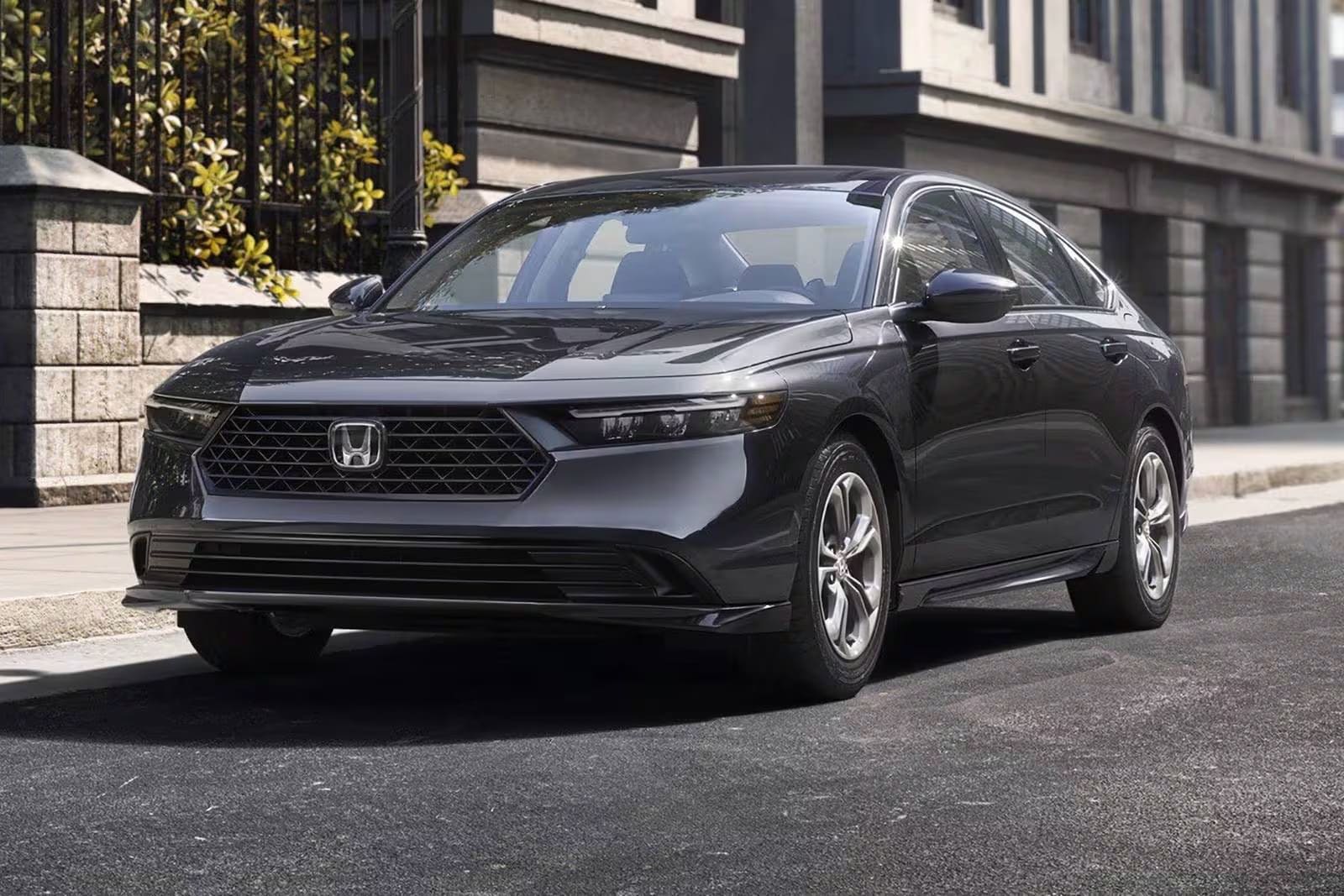
The fundamental difference between these two sedans lies in how they deliver power. The 2026 Honda Accord utilizes a responsive turbocharging strategy (in gas models) and a two-motor hybrid system that prioritizes direct electric torque.
Toyota typically relies on a naturally aspirated engine or a different hybrid synergy drive setup. The advantage of the Accord's engineering approach is the availability of peak torque at lower RPMs. Torque is the rotational force that pushes you back in your seat when you accelerate from a stoplight on Wilshire Blvd.
In the Accord, torque is delivered earlier in the rev range. This results in better "get up and go" without needing to floor the gas pedal, providing a smoother experience during highway merging or passing.
Head-to-Head Performance Specs
| Feature | 2026 Honda Accord (Est.) | 2026 Toyota Camry (Est.) | The Burleson Honda Edge |
|---|---|---|---|
| Base Engine Torque | 192 lb-ft @ 1,700 RPM | ~163 lb-ft @ 4,400 RPM | Accord delivers max force 2,700 RPM sooner. |
| Hybrid System Torque | 247 lb-ft (Total System) | ~163 lb-ft (Engine) | Significantly higher electric motor torque in the Accord. |
| Transmission | CVT with Step-Shift | eCVT | Accord's Step-Shift mimics physical gears for a natural feel. |
| Cargo Volume | 16.7 cu ft | 15.1 cu ft | Accord fits roughly two extra grocery bags. |
Interior Volume and Passenger Geometry
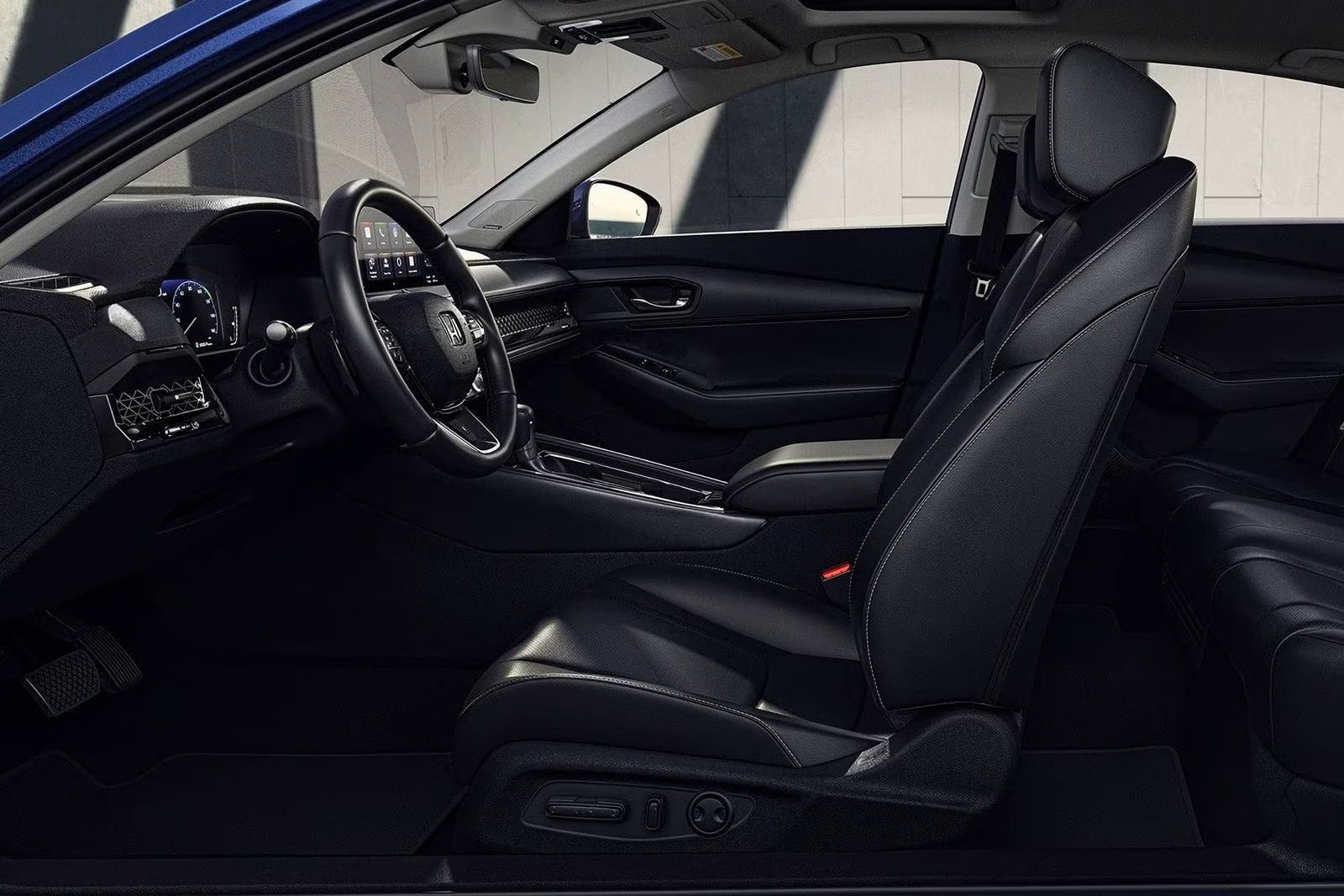
Cabin architecture is where the Honda Accord secures a definitive lead over the Camry. Honda engineers pushed the wheelbase and cabin width to maximize "passenger volume," a metric measured in cubic feet.
The critical metric here is Rear Legroom. The 2026 Honda Accord offers 40.8 inches of rear legroom. In comparison, the Camry typically offers around 38.0 inches.
While 2.8 inches may seem statistically minor, in the real world, it is the difference between a rear passenger's knees touching the front seat or having clear space. For families in Burleson hauling teenagers or car seats, that additional linear space changes the utility of the vehicle completely.
Cargo Capacity and Trunk Architecture
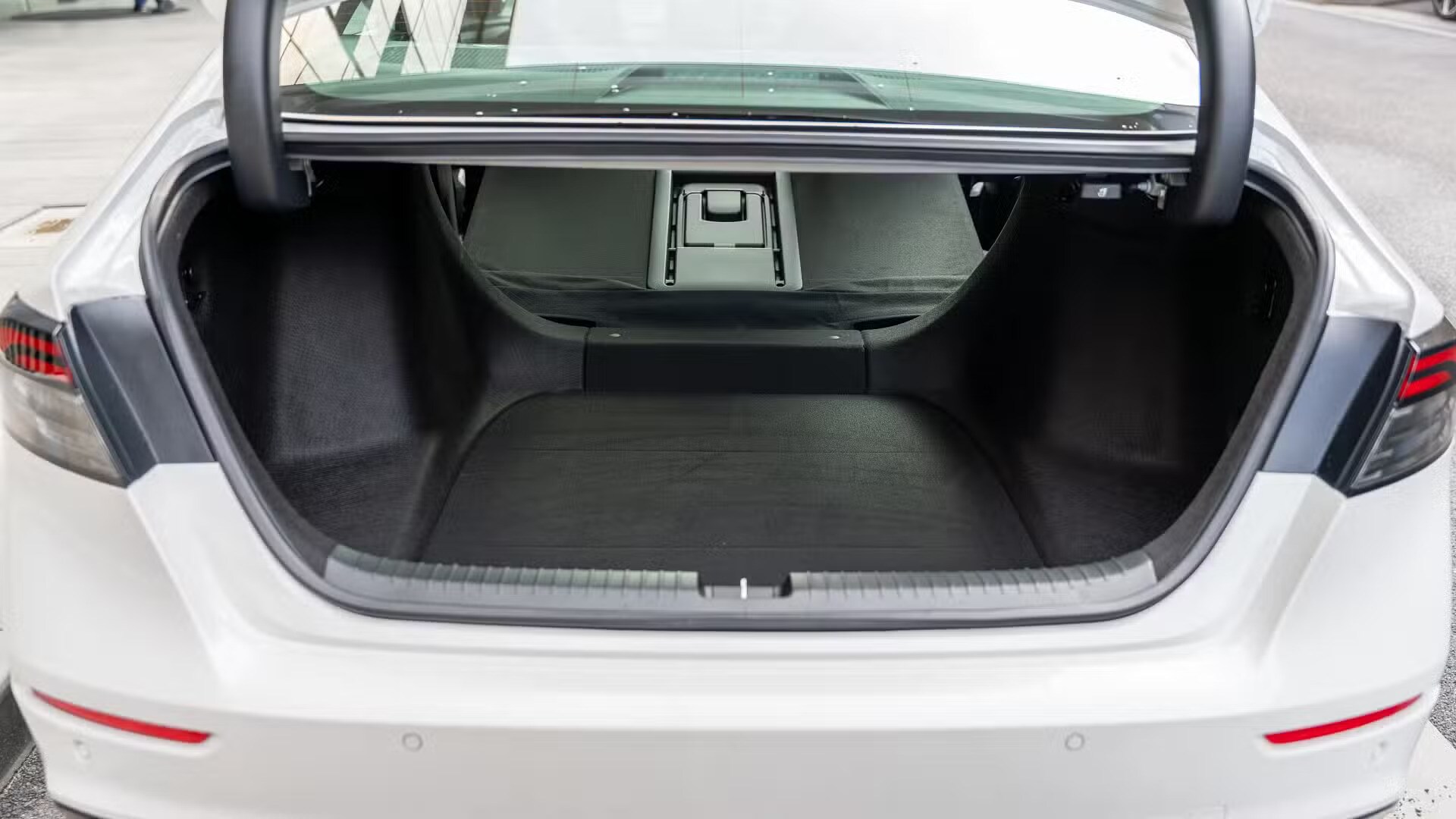
Sedan utility is defined by trunk space. The Accord features a class-leading cargo volume of 16.7 cubic feet. The Camry trails with approximately 15.1 cubic feet.
Honda achieves this through a compact rear suspension design that intrudes less into the cargo area. This allows for a wider, flatter trunk floor. Whether you are loading golf clubs for a trip to Hidden Creek or packing luggage for DFW Airport, the Accord allows for more rigid cargo arrangement without crushing items.
Suspension Geometry and Ride Quality
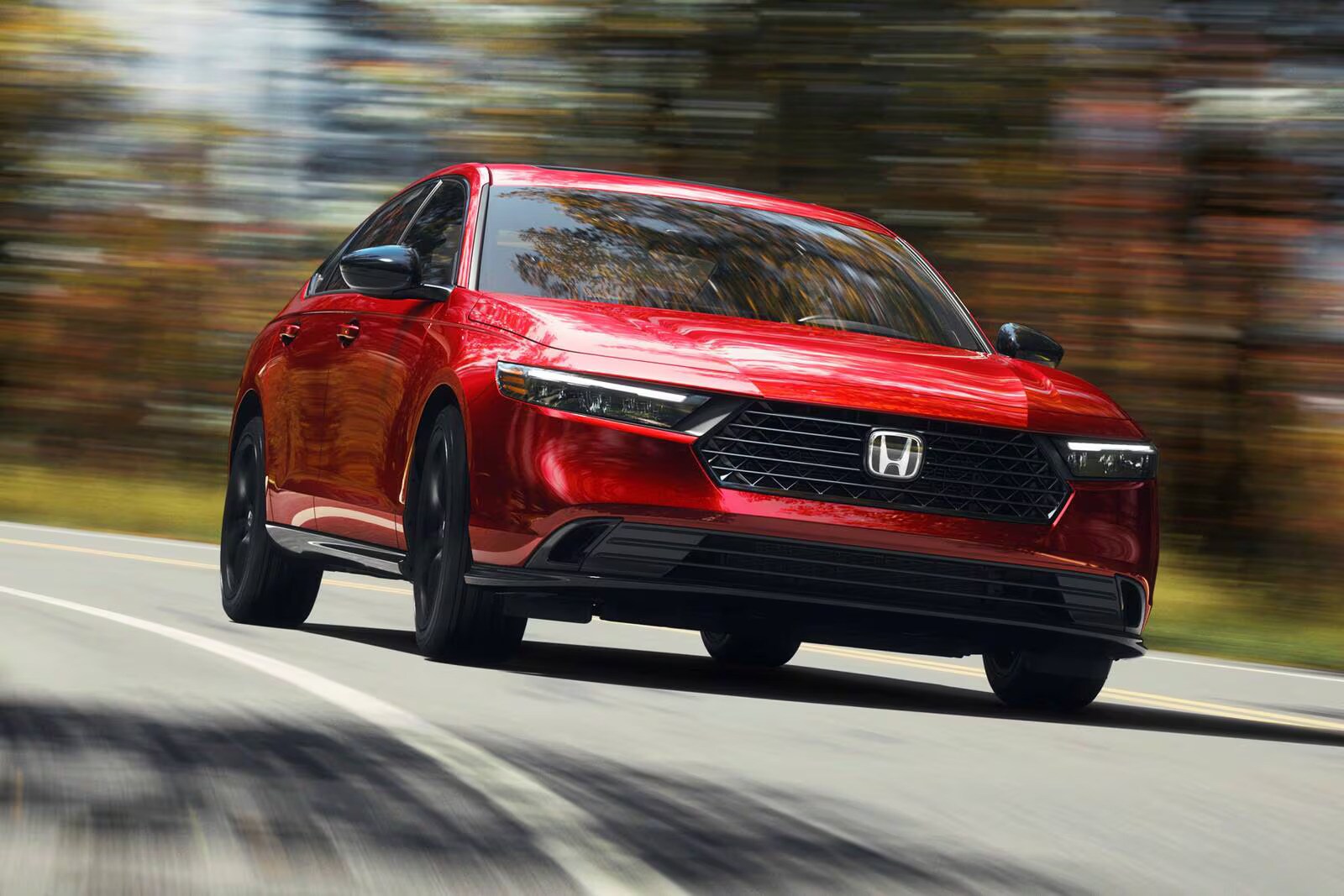
The 2026 Accord utilizes a MacPherson strut front suspension and a multi-link rear suspension. This setup is tuned for a balance of compliance (softness over bumps) and rigidity (stability in corners).
While the Camry has improved its dynamics in recent years, the Accord is consistently benchmarked for its steering precision. The variable-ratio electric power steering (EPS) in the Accord adjusts the steering weight based on speed. At low parking lot speeds, it is light and easy to maneuver. At highway speeds on I-35W, it firms up to provide confident straight-line tracking.
Why Buy the 2026 Accord From Burleson Honda?
The data indicates a clear divergence in engineering philosophy. The Camry remains a strong competitor, but the 2026 Honda Accord offers superior torque availability, significantly more rear passenger space, and a larger trunk. For buyers who prioritize utility and responsive driving dynamics, the Accord is the statistically superior machine.