
2026 Honda Accord 0-60 Times
The Engineering Behind the Speed

For drivers in Burleson, acceleration is not about drag racing; it is about safety and confidence. Merging onto I-35W or passing a slow-moving truck on FM 1187 requires predictable power delivery. The 2026 Honda Accord offers two distinct powertrain configurations, each with a specific acceleration profile. This technical analysis breaks down the 0-60 mph times, horsepower figures, and torque curves for the current model year.
Performance Data at a Glance
The 2026 Accord lineup is split between the turbocharged gasoline engine (LX, SE trims) and the two-motor hybrid system (Sport, EX-L, Sport-L, Touring).
| Powertrain | Engine Spec | Horsepower | Torque | Est. 0-60 MPH |
|---|---|---|---|---|
| 1.5L Turbo | 1.5L Inline-4 Turbo | 192 hp @ 6,000 RPM | 192 lb-ft @ 1,700 RPM | ~7.3 Seconds |
| Hybrid | 2.0L Inline-4 + Dual Electric Motors | 204 hp (Total System) | 247 lb-ft @ 0–2,000 RPM | ~6.6 Seconds |
Analyzing the Hybrid Advantage
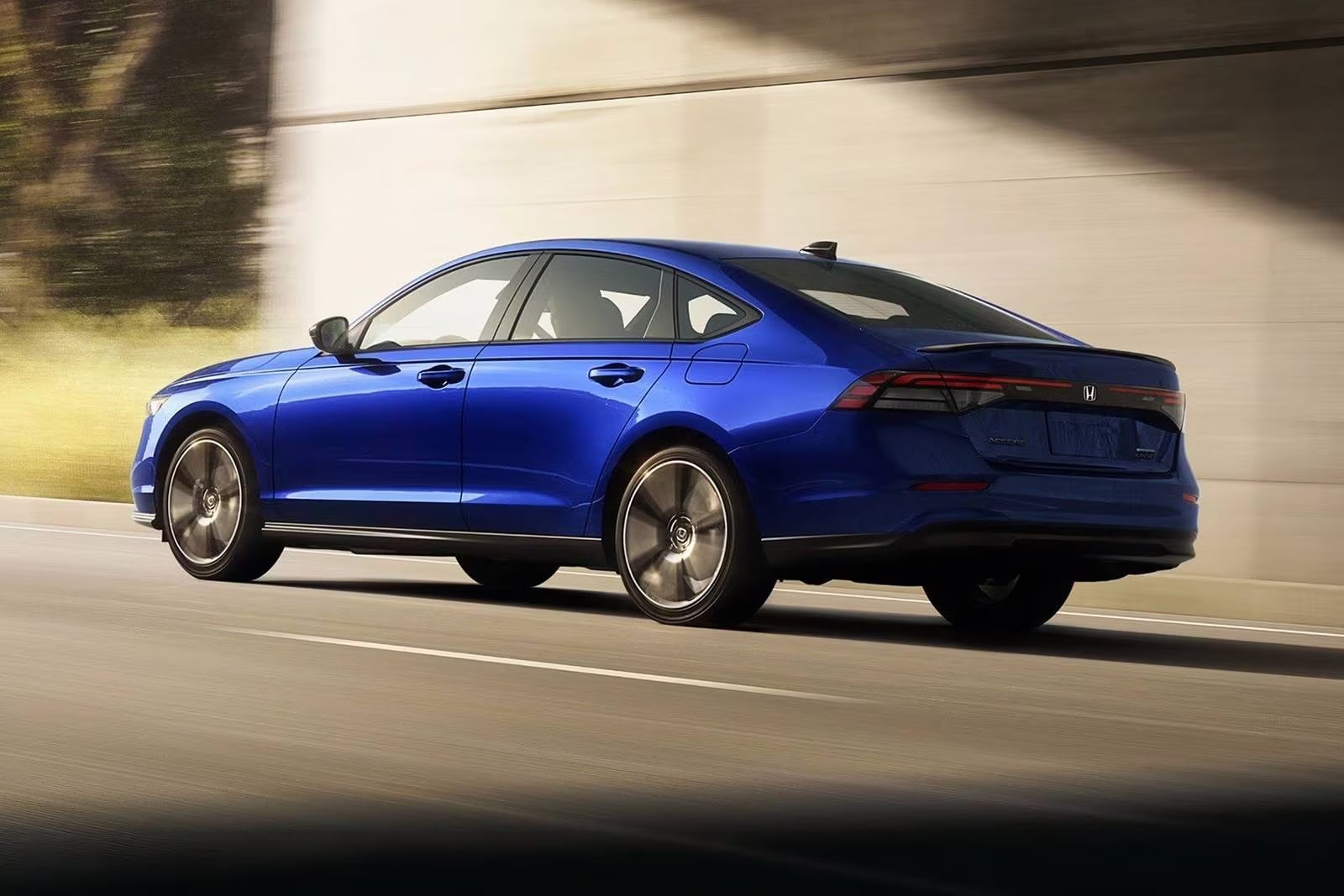
The data shows a clear performance hierarchy: the Hybrid powertrain is faster. This is due to the physics of electric motors.In the 1.5L Turbo model, the engine must build exhaust pressure to spin the turbocharger before peak torque is reached at 1,700 RPM. While this happens quickly, there is a fractional delay known as "turbo lag."
The Hybrid system eliminates this variable. The traction electric motor delivers its peak torque of 247 lb-ft instantly, essentially from 0 RPM. When you press the accelerator, the electric motor provides the initial shove while the 2.0L Atkinson-cycle gas engine engages seamlessly to sustain the power. This results in a 0-60 time that is approximately 0.7 seconds faster than the gas-only model.
Transmission Logic: CVT vs. e-CVT
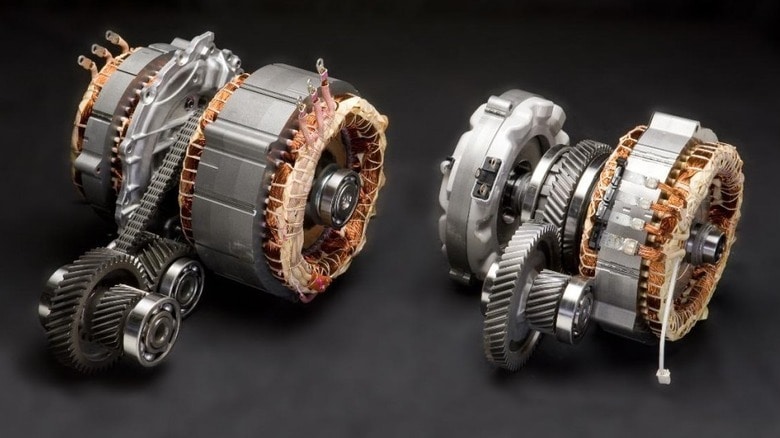
Acceleration is also defined by how power is transferred to the wheels.1.5L Turbo (CVT): The Continuously Variable Transmission uses a belt and pulley system. To avoid the "rubber band" sensation common in older CVTs, Honda engineers programmed "Step-Shift" logic. Under hard acceleration, the transmission simulates physical gear shifts, providing audio feedback that matches the rising engine RPMs.
Hybrid (e-CVT): This system does not use a conventional transmission belt. Instead, it utilizes a clutch pack and two electric motors to manage power flow. This direct-drive concept minimizes energy loss, transferring more horsepower directly to the pavement for efficient acceleration.
Real-World Application: The 50-70 MPH Pass
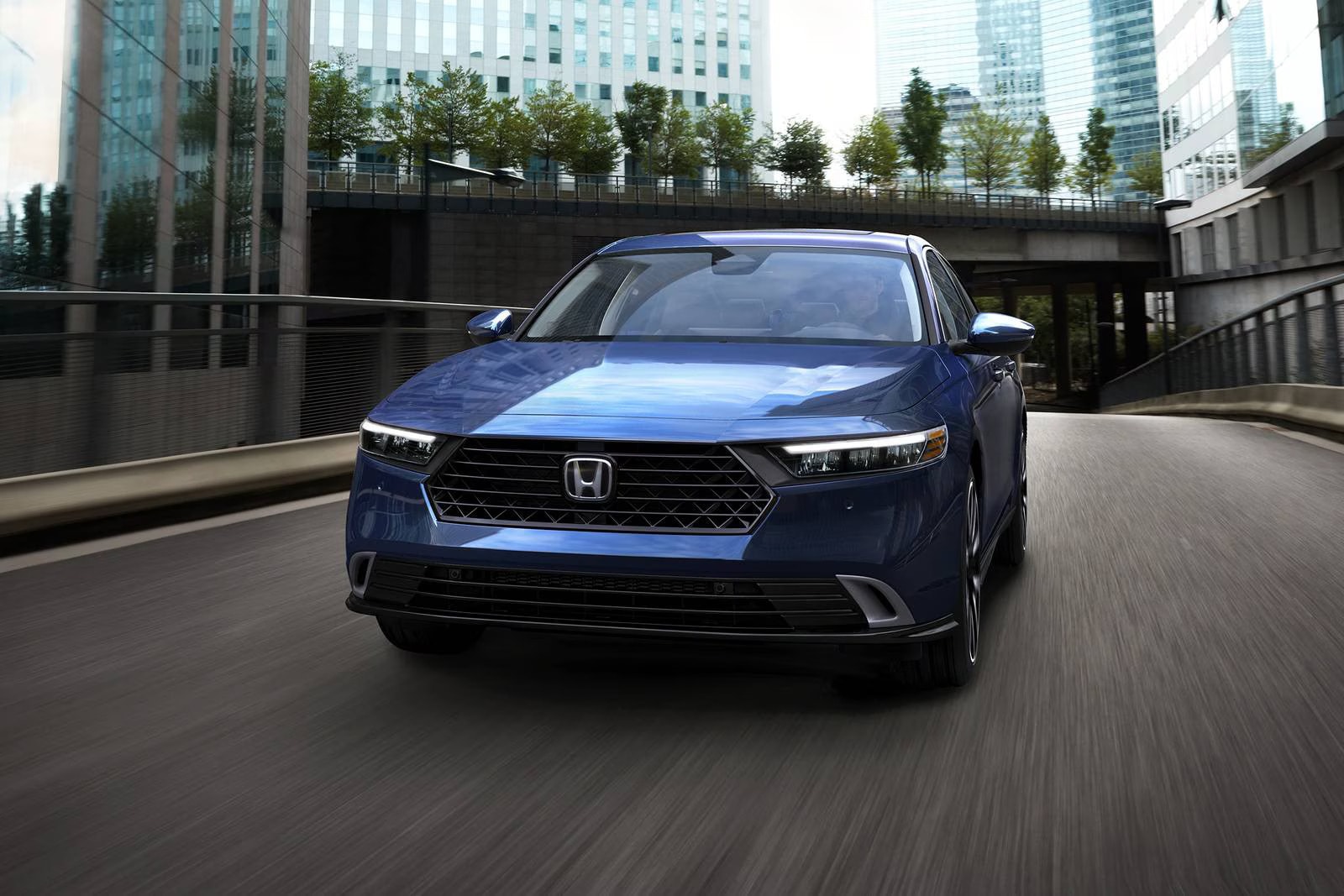
While 0-60 times are the industry standard benchmark, the 50-70 mph time is more relevant for daily driving in the Dallas-Fort Worth metroplex. This metric measures passing power.The Accord Hybrid shines here due to the immediate torque response. When you need to overtake a vehicle at highway speeds, the electric assistance fills in the power gap instantly, removing the hesitation often felt when a traditional automatic transmission downshifts. This responsiveness allows for safer, quicker lane changes.
Why Buy the 2026 Accord at Burleson Honda?
Whether you choose the standard 1.5L Turbo or the upgraded Hybrid powertrain, the 2026 Honda Accord provides competitive acceleration figures for the midsize sedan segment. For drivers prioritizing maximum responsiveness and torque, the Hybrid architecture offers a measurable performance advantage.